Work-life balance
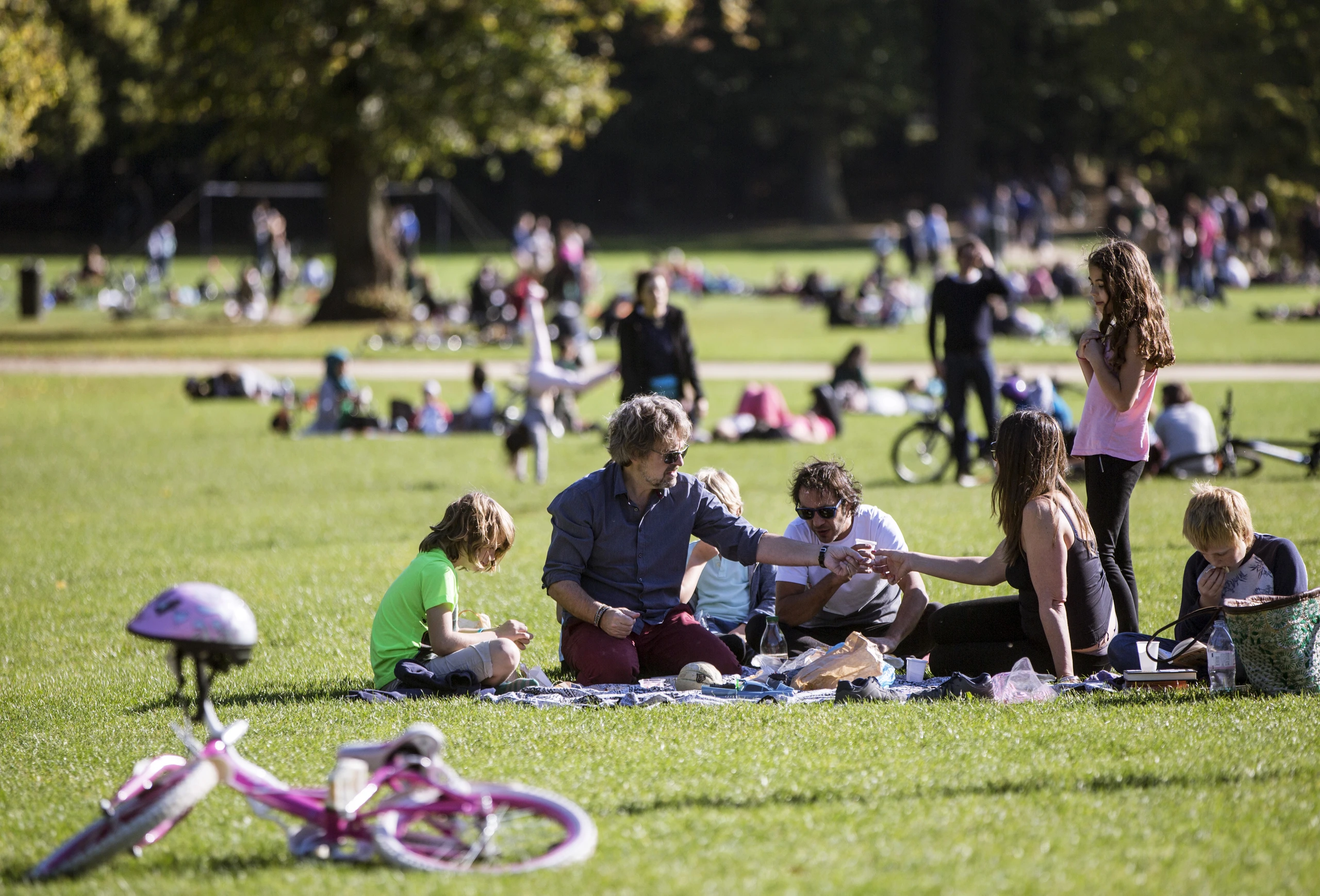
Work–life balance refers to the level of prioritisation between an individual’s work and personal life. A good work–life balance is achieved when an individual’s right to a fulfilled life inside and outside paid work is accepted and respected as the norm – to the mutual benefit of the individual, business and society. Enabling a better work–life balance for workers across the life course has been an EU policy goal for many years as it is central to ensuring that work is sustainable for all.
Find the latest content on this topic below.
Is it a right to disconnect?
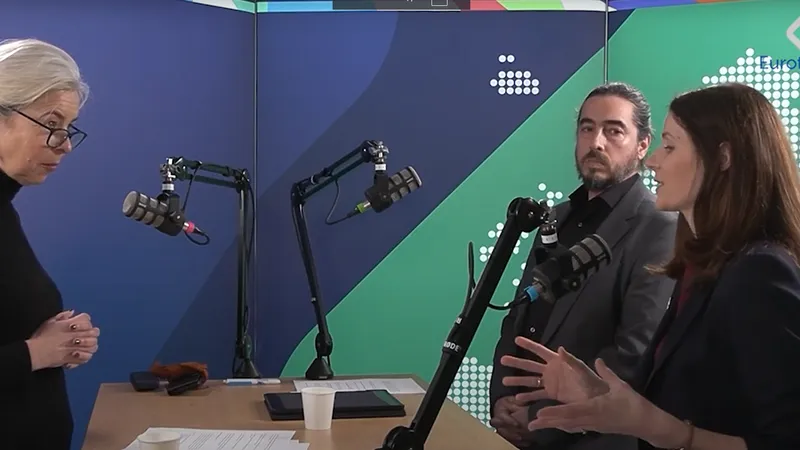
In this episode of Eurofound Talks Mary McCaughey speaks with Eurofound Research Manager Tina Weber about new research on the right to disconnect, the evolution of the right to disconnect in Europe, the reasons why legislative and procedural actions are being called for, the impacts that effective right to disconnect policies can have, and what the debate indicates about the post-pandemic world of work.The COVID-19 pandemic had multiple impacts on society, but perhaps one of the most enduring in terms of the world of work has been the proliferation of telework. Around one-third of jobs in the EU are teleworkable, and an estimated 40 million people telework on a regular basis. While most workers who can telework have embraced it, there have been notable impacts on work-life balance, stress and other psychological risks. This has given rise to calls for a right to disconnect.Citizens need clarity on Europe’s challenges
A cocktail of insecurity, misinformation and mistrust imperil Europe’s future. Reliable, accessible data are at a premium.Living, working and COVID-19 (Update April 2021): Mental health and trust decline across EU as pandemic enters another year
The third round of Eurofound's e-survey, fielded in February and March 2021, sheds light on the social and economic situation of people across Europe following nearly a full year of living with COVID-19 restrictions. This report analyses the main findings and tracks ongoing developments and trends across the 27 EU Member States since the survey was first launched in April 2020. It pinpoints issues that have surfaced over the course of the pandemic, such as increased job insecurity due to the threat of job loss, decline in mental well-being levels, erosion of recent gains in gender equality, fall in trust levels vis-à-vis institutions, deterioration of work–life balance and growth of vaccine hesitancy. The results of the survey highlight the need for a holistic approach to support all the groups hit hard by the crisis in order to prevent them from falling further behind.
Work–life balance continues to be a significant research topic for Eurofound, in its surveys and other studies.
Listen to or watch a recording of our International Women's Day 2023 podcast on the work–life challenges of women and men.
On 17 November 2017, the European Parliament, the Council and the European Commission formally proclaimed the European Pillar of Social Rights, which included an initiative to support work–life balance. Subsequently, in June 2019, the Council adopted a new Directive on work–life balance for parents and carers. The Directive aims to increase women's participation in the labour market and outlines a number of new or improved minimum standards for parental, paternity and carer’s leave, as well as flexible working arrangements, aiming to also increase men's take-up of these.
European Commission: European Pillar of Social Rightsopens in new tab
Council of the EU: Better work-life balance for parents and carers in the EU: Council adopts new rulesopens in new tab
European Commission: Work-life balanceopens in new tab
Researchers at Eurofound provide expert insights and can be contacted for questions or media requests.
Jorge Cabrita
Senior research managerJorge Cabrita is a senior research manager in the Working Life unit, where he designs, coordinates, and manages Europe-wide research and disseminates its findings. His main areas of expertise include working conditions and job quality, working time and work–life balance, workers’ health and well-being, gender equality, and the socioeconomic impacts of the green transition. He currently leads research on working time developments and job quality in climate-vulnerable regions, and co-leads the implementation of the European Working Conditions Survey 2030. Previously, he was a researcher at the Centre for Studies for Social Intervention and the Research Centre on the Portuguese Economy, and worked as a trainer and consultant. He holds a BSc in Economics and an MSc in Socio-Organisational Systems of Economic Activity from the Lisbon School of Economics.
This section provides access to all content that has been published on the topic.