PDF document
EWCS 2024 Findings – Working in the age of AI
2833kb pdf

12:30 – 14:15 Brussels local time
Brussels, European Parliament (Room PHS 7C50)
Thank you for joining EU and national policymakers, social partners, civil society representatives, and experts to a lunchtime event at the European Parliament on 21 April 2026, 12.30-14.15. The event presented selected findings from the EWCS overview report and explored what the data mean for EU policy debates on quality jobs, fairness, competitiveness and the future of work.
Europe’s labour market is changing fast, driven in part by rapid advances in digitalisation and artificial intelligence - but not for everyone. New findings from the European Working Conditions Survey (EWCS) 2024 reveal that while job quality in the EU is improving, deep differences persist across sectors, age groups and gender.
Many of you joined EU and national policymakers, social partners, civil society representatives, and experts to a lunchtime event at the European Parliament on 21 April 2026, 12.30-14.15. The event, organised with support of the European Parliament, presented selected findings from the EWCS overview report and explored what the data mean for EU policy debates on quality jobs, fairness, competitiveness and the future of work.
A keynote address by MEP Li Andersson, Chair, European Parliament Employment and Social Affairs Committee, set the scene for panel discussions rooted in the survey’s evidence. Francesco Corti, Member of Cabinet, European Commission Executive Vice-President for Social Rights, Skills, Quality Jobs and Preparedness, Laura Nurski, Head of Programme Future of Work, Centre for European Policy Studies and Marit Maij MEP, commented on the survey findings. There was also an opportunity for Q&A with the panel and audience.
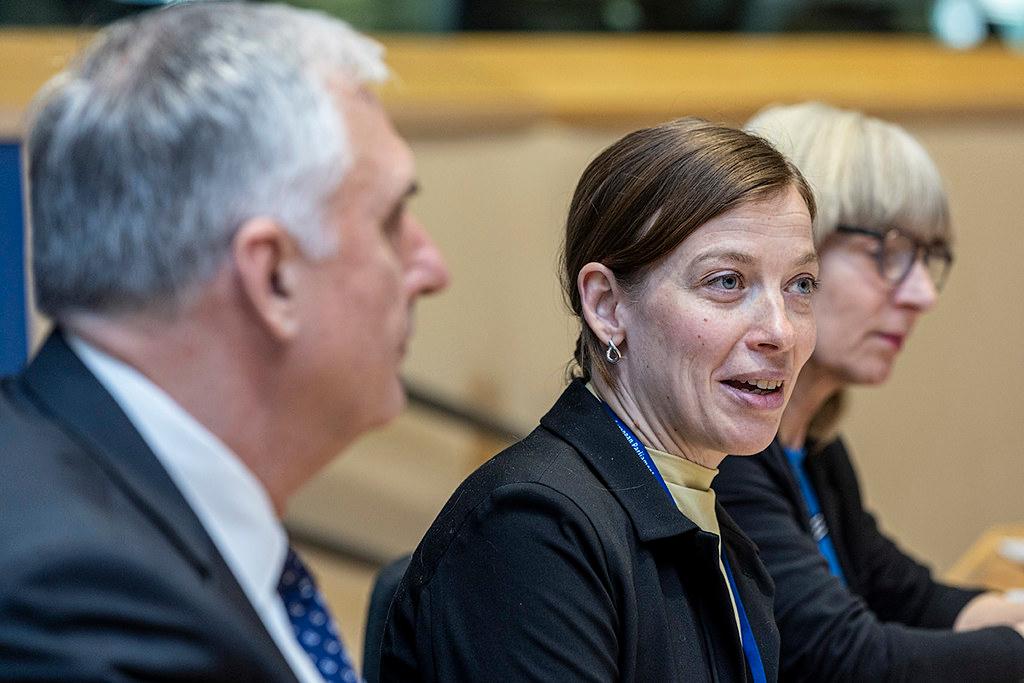


As EU debates intensify around competitiveness, fairness and the future of work, the event offered a timely opportunity to reflect on how working conditions are evolving in practice and how policy choices can support greater equality in the workplace and better quality jobs.
Eurofound’s data can support policymakers and stakeholders working on the Quality Jobs Act, the Just Transition and the issue of training. It also covers priorities like AI and algorithmic management, the right to disconnect and various forms of telework as well as supporting strategic European industries and sectors.
For over 20 years, the European Working Conditions Survey has provided unique insights into the world of work across Europe. The 2024 survey draws on interviews with over 36,000 workers across 35 countries, with data compiled and measured against seven job quality indicators. It provides a comprehensive and in-depth overview of working in Europe and demonstrates workers’ experiences around skills, working time, physical and social environment, career prospects and the sustainability of their work among others.

Event moderated by Barbara Gerstenberger, Head of Working Life unit, Eurofound.
For any queries about the briefing, please contact Cristina Arigho.
Explore other Eurofound events.


 This website is an official website of the European Union.

All official European Union website addresses are in the europa.eu domain.
See all EU institutions and bodies

European Foundation for the Improvement of Living and Working Conditions